For a long time, traditional CNC cutting machines were everywhere. Small workshops, large factories, job work units, everyone depended on them. They worked fine, but over the years, many fabricators started noticing small problems. Work took longer. Tools wore out faster. Power bills kept increasing.
Slowly, Fiber Laser Cutting Machines started entering the market. At first, people were unsure. New technology always feels risky. But once these machines started running on actual shop floors, opinions began to change.
Today, many industries are moving away from old CNC cutting systems. The reasons are practical, not promotional.
How Cutting Methods Are Different
Traditional CNC cutting depends on physical tools. The tool touches the metal and cuts it step by step. Because of this contact, friction builds up. Over time, accuracy drops.
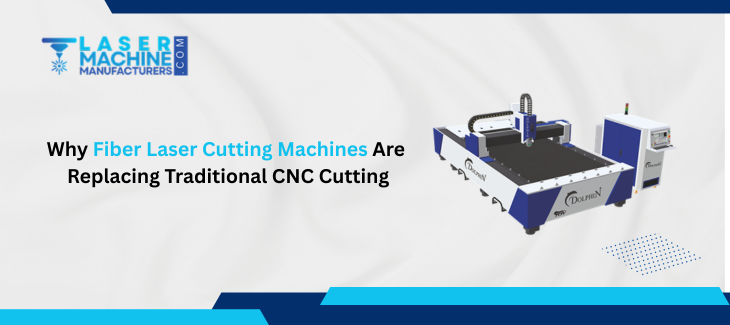
Fiber Laser Cutting Machines work in a different way. They use a focused laser beam. The laser cuts metal without touching it. This simple change affects speed, quality, and maintenance.
Once operators see this difference in daily work, the shift starts making sense.
Speed That Matches Today’s Work Pressure
Production timelines are tighter than before. Clients expect faster delivery.
Fiber Laser Cutting Machines cut much faster, especially on thin and medium sheets. There is no tool pressure slowing the process. Once the program starts, cutting remains steady.
Because of higher speed:
- Orders finish sooner
- Machines stay productive
- Dead time reduces
Traditional CNC cutting often struggles when volume increases.
Accuracy That Stays Consistent
Accuracy matters when parts must fit perfectly during assembly.
Fiber Laser Cutting Machines maintain the same cutting quality from the first sheet to the last. Edges come out clean. Measurements stay correct.
With traditional CNC machines, tool wear slowly affects accuracy. Operators then adjust settings or replace tools, which interrupts work.
Laser cutting avoids this cycle.
Less Maintenance, Fewer Interruptions
Maintenance is where many workshops feel real relief.
Traditional CNC cutting involves frequent tool replacement. Bearings, spindles, and cutting heads need regular attention. This increases downtime.
Fiber Laser Cutting Machines have fewer mechanical parts involved in cutting. There is no tool rubbing against metal.
This leads to:
- Less breakdown time
- Fewer maintenance schedules
- Better machine availability
For busy units, this stability matters daily.
Power Consumption That Feels Controlled
Electricity costs cannot be ignored.
Fiber Laser Cutting Machines convert energy more efficiently. Less power gets wasted during cutting. Over months of operation, this difference becomes visible in electricity bills.
Traditional CNC machines usually consume more power, especially during heavy cutting cycles.
Easy Handling of Different Materials
Workshops today handle mixed orders.
Fiber Laser Cutting Machines cut various metals without major adjustments:
- Mild steel
- Stainless steel
- Aluminium
- Copper and brass
Changing material does not slow down production. Traditional CNC cutting often needs tool changes, which costs time.
Cleaner Working Conditions
The working environment affects productivity.
Fiber laser cutting creates less noise and vibration. There are no flying chips or excessive oil usage. The shop floor stays cleaner.
Traditional CNC cutting can feel tiring during long shifts because of sound and mess.
Automation That Reduces Manual Effort
Modern production depends on software support.
Most Fiber Laser Cutting Machines come with user-friendly control systems. Designs load easily. Repetition stays accurate.
Operators focus more on monitoring than manual adjustments. Traditional CNC machines usually need more attention during cutting.
Material Savings That Add Up
Material cost impacts profit directly.
Fiber Laser Cutting Machines cut with narrow kerf width. Nesting software helps place parts efficiently. Wastage reduces naturally.
Traditional CNC cutting often leaves more scrap behind.
Why Industries Are Switching Faster Now
The shift is happening faster because:
- Delivery timelines are strict
- Skilled labour is limited
- Competition is high
- Cost control is necessary
Fiber Laser Cutting Machines support these needs without increasing complexity.
Industries Using Fiber Laser Cutting Today
You will now see these machines in:
- Sheet metal workshops
- Automotive part units
- Electrical enclosure manufacturing
- Furniture and panel industries
- Custom fabrication shops
The adoption keeps growing.
Final Thoughts
Technology changes because work pressure changes. Traditional CNC cutting served industries well for many years. However, current production demands need more speed, better accuracy, and lower operating stress.
Fiber Laser Cutting Machines deliver these benefits in a practical way. That is why industries are not just testing them anymore. They are adopting them for long-term use.
This shift is driven by daily experience, not just technology trends.
For more updates and detailed information, follow us on Facebook today.
Frequently Asked Questions (FAQ)
1. Are Fiber Laser Cutting Machines difficult to operate?
No. Basic training is enough for daily operation.
2. Can small businesses afford fiber laser machines?
Yes. Many entry-level models suit small units.
3. Do these machines replace all CNC machines?
They replace cutting operations, not every CNC process
4. Is maintenance really lower?
Yes. Fewer tools mean fewer breakdowns.
5. Are Fiber Laser Cutting Machines safe?
Yes, when used with standard safety measures.