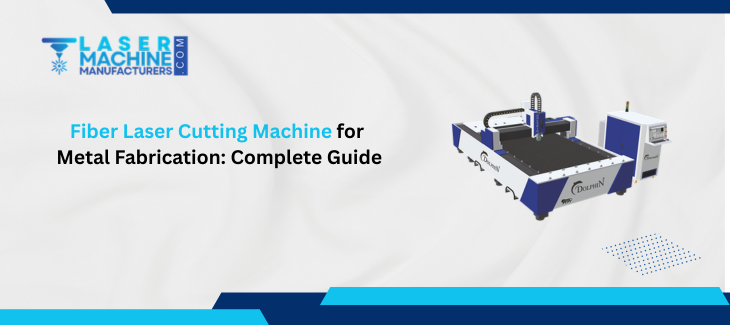
If you walk into a metal fabrication workshop today, the first thing you notice is speed. Everything moves fast. Orders are tight. Customers want clean work and quick delivery. Earlier, fabricators depended fully on traditional cutting methods. CNC machines did most of the work, and people adjusted around their limits.
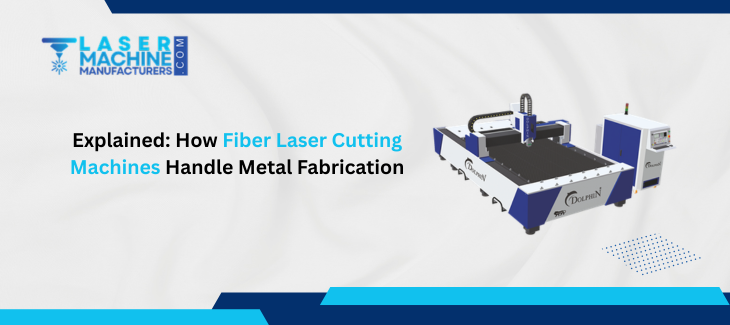
Things are different now. Many workshops have shifted to a Fiber Laser Cutting Machine, not because it looks modern, but because it fits better into daily fabrication work.
This guide talks about fiber laser cutting from a practical fabrication point of view.
How Metal Fabrication Work Has Changed
Metal fabrication is no longer slow or relaxed. Designs change often. Quantities change. Deadlines move closer.
Traditional cutting methods still work, but they demand patience. Tools wear out. Accuracy slowly drops. Operators keep checking the output.
A Fiber Laser Cutting Machine removes many of these daily struggles. Once it starts running, it keeps going with the same quality. This consistency matters more than anything else.
What Makes Fiber Laser Cutting Different
The biggest difference is contact.
Traditional machines cut by touching the metal. That contact creates friction, heat, and wear. Over time, performance drops.
A Fiber Laser Cutting Machine uses a laser beam. The beam cuts without touching the sheet. No physical force, no tool pressure. Because of this, cutting stays stable even after long hours.
This one change improves speed, finish, and maintenance.
Why Fabricators Prefer Fiber Laser Cutting
Fabricators do not switch machines for fun. They switch when work becomes easier.
A Fiber Laser Cutting Machine helps because:
- Cutting speed stays high
- Accuracy does not fluctuate
- Manual correction reduces
- Downtime becomes less frequent
When production pressure is high, these small things matter a lot.
Speed That Helps Meet Deadlines
In fabrication, speed decides profit.
A Fiber Laser Cutting Machine cuts thin and medium metal sheets quickly. Jobs finish sooner. Machines stay productive for longer hours.
This speed allows workshops to accept more orders without extending shifts or adding extra labour.
Clean Cutting That Saves Extra Effort
After cutting, parts usually move to bending or welding.
Fiber laser cutting leaves smooth edges. Many parts go directly to the next process. Grinding and edge finishing reduce.
Traditional cutting often adds extra steps. Those steps eat time and energy.
Maintenance That Does Not Interrupt Work
Maintenance planning is always stressful.
Traditional cutting machines need tool replacement. Sometimes the machine stops unexpectedly. Production suffers.
A Fiber Laser Cutting Machine has fewer mechanical parts involved in cutting. Since no tool touches the metal, wear reduces naturally.
Workshops notice:
- Fewer breakdowns
- Less emergency maintenance
- Better daily planning
Power Usage That Feels Manageable
Electricity bills matter, especially in continuous fabrication.
A Fiber Laser Cutting Machine uses energy more efficiently. More power goes into cutting, not into waste heat. Over time, this reduces operating costs.
Fabricators usually notice savings after a few months of use.
Working With Different Metals Becomes Easier
Fabrication jobs rarely stick to one metal.
A Fiber Laser Cutting Machine handles mild steel, stainless steel, aluminium, brass, and copper. Changing material does not mean stopping work for long.
Traditional methods often need tool changes and adjustments, which slow things down.
Software and Automation Support
Modern fabrication relies on design software.
Most Fiber Laser Cutting Machine setups come with easy-to-use control systems. Designs load quickly. Repeat jobs stay accurate.
Operators spend less time adjusting and more time monitoring.
Cleaner Shop Floor Experience
The work environment affects focus.
Fiber laser cutting creates less noise and vibration. There are no metal chips scattered around. The floor stays cleaner.
This improves safety and makes long working hours easier to handle.
Where Fiber Laser Cutting Is Used Today
You will now find fiber laser machines in:
- Sheet metal fabrication shops
- Automotive component units
- Electrical panel manufacturing
- Furniture and fixture fabrication
- Custom job work workshops
The use keeps increasing because results stay reliable.
Final Thoughts
Metal fabrication keeps moving faster every year. Traditional cutting methods still exist, but they struggle under modern production pressure.
A Fiber Laser Cutting Machine fits naturally into today’s fabrication workflow. It cuts fast, stays accurate, and reduces daily stress on operators and planners.
For fabricators looking for stability and growth, fiber laser cutting is no longer an experiment. It has become a practical working tool.
For more updates and detailed information, follow us on Facebook today.
Frequently Asked Questions (FAQ)
1. Is a Fiber Laser Cutting Machine suitable for daily fabrication work?
Yes, it is designed for continuous and consistent production.
2. Can one machine handle multiple metal types?
Yes, different metals can be cut with simple setting changes.
3. Does fiber laser cutting reduce manual finishing?
Yes, clean edges reduce grinding work.
4. Is training required to operate the machine?
Basic training is enough for regular use.
5. Is a Fiber Laser Cutting Machine worth the investment?
Yes, long-term savings and productivity justify the cost.