In industrial manufacturing, machines are not judged by how advanced they look. They are judged by how they behave on a normal working day. Can they run for long hours? Do they stop often? Do they create extra work for operators?
This is where a Fiber Laser Cutting Machine for Industrial Manufacturing has started standing out. Not suddenly. Not as a trend. It happened slowly, as factories began comparing daily output and downtime.
Many industrial units today depend on these machines because they simply fit better into heavy production routines.
What Industrial Manufacturing Really Needs From a Cutting Machine
Industrial work is different from small fabrication jobs. Volumes are high. Materials are thick. Production planning runs on tight schedules.
A cutting machine in this setup must:
- Work continuously without frequent breaks
- Handle thick and hard metal sheets
- Maintain the same quality throughout the shift
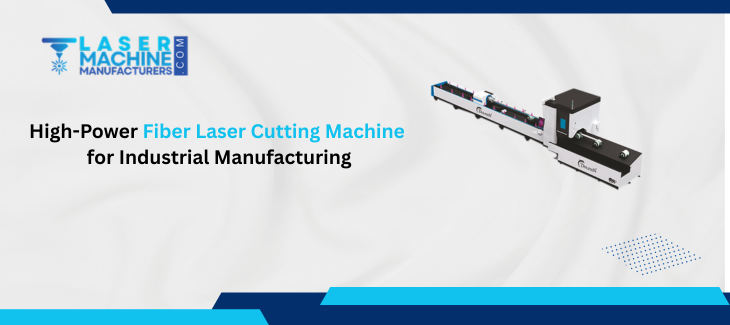
A Fiber Laser Cutting Machine for Industrial Manufacturing meets these needs without demanding constant attention.
How High-Power Fiber Laser Cutting Works on the Floor
The working principle sounds technical, but its impact is very practical.
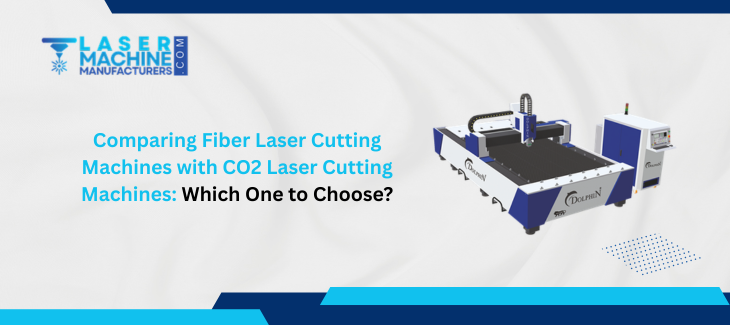
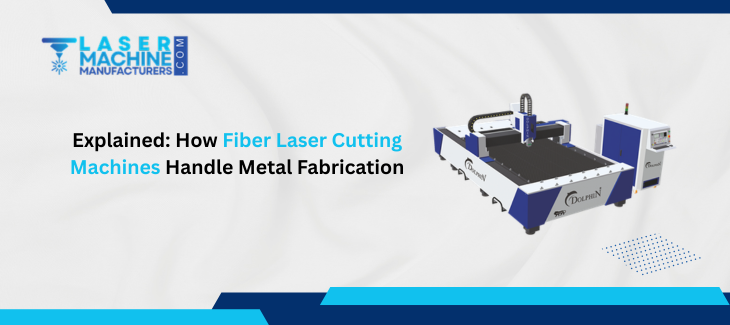
A Fiber Laser Cutting Machine for Industrial Manufacturing sends a powerful laser beam through a fiber optic system. The beam focuses on the metal and cuts it precisely. There is no tool touching the surface.
Because there is no contact:
- Tools do not wear out
- Cutting accuracy stays stable
- Machines stay reliable for longer
Operators notice this difference within weeks of use.
Why High Power Makes a Difference in Industry
Industrial units often work with thick steel plates and large sheets. Cutting such material with low power slows everything down.
A high-power Fiber Laser Cutting Machine for Industrial Manufacturing cuts thick metal without hesitation. The machine does not struggle. The cut remains clean, even on heavier material.
This helps production move forward without delays between batches.
Speed That Supports Large-Scale Production
In industrial manufacturing, speed affects planning.
When cutting takes too long, other processes wait. Welding waits. Assembly waits. Delivery gets delayed.
A Fiber Laser Cutting Machine for Industrial Manufacturing improves cutting speed across different thickness levels. Jobs finish faster, and machines stay active instead of waiting.
Over time, this speed improves the overall factory rhythm.
Consistent Accuracy Across Long Shifts
Accuracy matters more when production runs all day.
With traditional machines, accuracy can slowly change as tools wear out. Operators then start checking parts more often.
A Fiber Laser Cutting Machine for Industrial Manufacturing keeps accuracy steady. The first cut and the last cut of the shift look the same.
This consistency reduces inspection stress and rework.
Maintenance That Fits Industrial Reality
Maintenance planning is a serious issue in factories.
Traditional cutting machines need regular tool replacement. Sometimes, breakdowns happen at the worst possible time.
A Fiber Laser Cutting Machine for Industrial Manufacturing reduces these interruptions. Fewer mechanical parts mean fewer things that fail suddenly.
Factories benefit from:
- Better uptime
- Predictable maintenance schedules
- Less emergency repair work
This makes production planning easier.
Power Usage That Feels Practical
Industrial machines consume a lot of electricity. Any saving matters.
A Fiber Laser Cutting Machine for Industrial Manufacturing uses energy more efficiently. More power goes into cutting and less into wasted heat.
Over months of operation, this efficiency reflects clearly in power consumption reports.
Easy Handling of Different Metals
Industrial manufacturing rarely sticks to one material.
A Fiber Laser Cutting Machine for Industrial Manufacturing handles mild steel, stainless steel, aluminium, and other metals without major changes. Settings adjust through software, not hardware.
This flexibility saves time during material changeovers.
Automation That Reduces Manual Pressure
Large-scale manufacturing depends on automation.
Most Fiber Laser Cutting Machine for Industrial Manufacturing systems integrate well with design and nesting software. Operators load programs and monitor performance.
Less manual involvement reduces fatigue and mistakes during long shifts.
Cleaner and More Controlled Work Environment
Industrial floors can get noisy and cluttered.
Fiber laser cutting creates less vibration and fewer metal scraps. There are no cutting oils spreading around.
A cleaner environment improves safety and helps operators stay focused during long working hours.
Where These Machines Are Commonly Used
A Fiber Laser Cutting Machine for Industrial Manufacturing is now common in:
- Automotive production plants
- Heavy engineering industries
- Steel structure manufacturing
- Electrical equipment factories
- Infrastructure component units
These industries value stability more than anything else.
Why Industries Are Choosing Fiber Laser Cutting
The decision is practical.
Industries choose fiber laser cutting because:
- Production volumes keep increasing
- Quality checks are strict
- Downtime causes major losses
- Skilled labour is limited
A Fiber Laser Cutting Machine for Industrial Manufacturing supports these challenges without adding complexity.
Final Thoughts
Industrial manufacturing does not leave room for machines that slow things down. Every delay affects cost, planning, and delivery.
A Fiber Laser Cutting Machine for Industrial Manufacturing fits well into this environment. It works fast, stays accurate, and handles pressure without frequent interruptions.
This is why many factories are not just testing these machines anymore. They are making them part of their core production setup.
For more updates and detailed information, follow us on Facebook today.
Frequently Asked Questions (FAQ)
1. Is a Fiber Laser Cutting Machine suitable for round-the-clock production?
Yes, it is designed for long and continuous operation.
2. Can it cut thick industrial-grade metals?
Yes, high-power models handle thick metal sheets effectively.
3. Does it reduce production delays?
Yes, faster cutting and less downtime help maintain flow.
4. Is operator effort reduced with these machines?
Yes, automation reduces manual workload.
5. Is a Fiber Laser Cutting Machine for Industrial Manufacturing a long-term solution?
Yes, it supports growth and stable production.