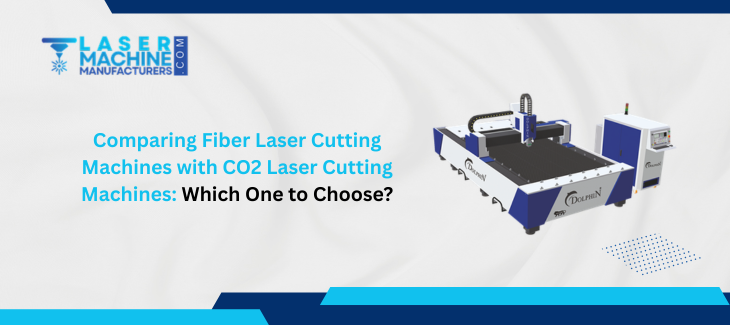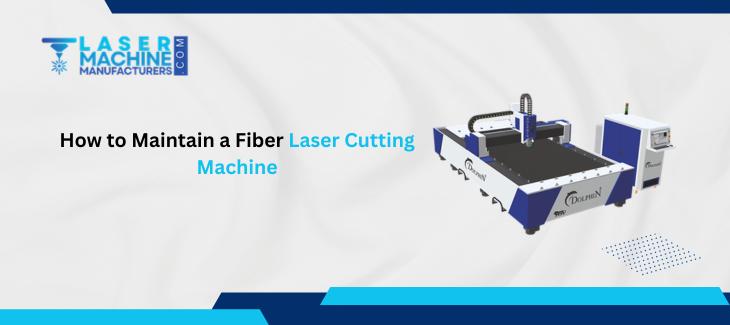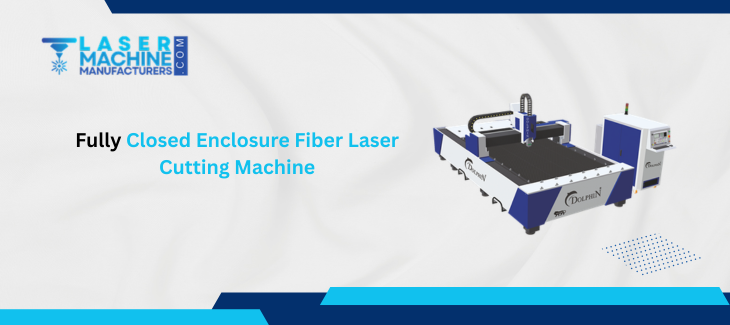
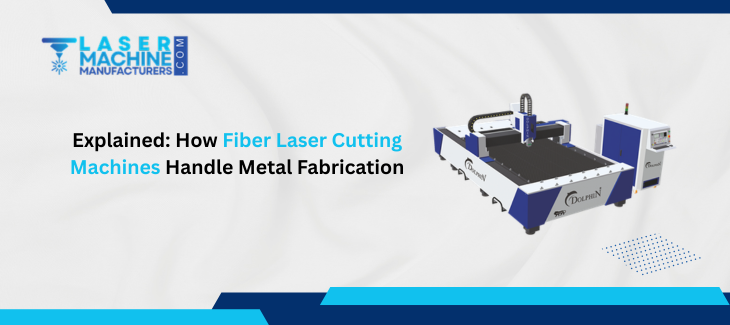
Fiber Laser Cutting Machines cut metal with a focused beam of light instead of a blade, and that’s what makes them faster and more accurate than most older tools on the shop floor. From thin sheet metal to thick steel plate, shops lean on this technology daily. Here’s how it actually works.
What Do Fiber Laser Cutting Machines Actually Do?
A fiber laser generates its beam through a fiber optic cable, then focuses that light onto metal to melt, burn, or vaporize a precise path through it. No blade ever touches the material.
A few things happen at once during a cut:
- The beam forms inside doped fiber optics
- A cutting head focuses it down to a fine point
- Software guides the head along a programmed path
- Assist gas blows away the molten metal as it cuts
Put together, this is why Fiber Laser Cutting Machines leave such clean edges. There’s barely any burring left to clean up afterward.
Why Do Fabrication Shops Prefer Fiber Laser Cutting Machines Over Other Methods?
Shops pick fiber lasers because they cut faster, burn less power, and break down less often than the CO2 systems they replaced.
That table tells most of the story. Fiber Laser Cutting Machines have basically become the default for shops running high volumes, and lower running costs mean the equipment pays for itself sooner than people expect.
How Do Fiber Laser Cutting Machines Achieve Such High Precision?
Precision comes down to beam size, and a fiber laser’s beam stays narrow, often under half a millimeter, which lets it hold tight tolerances even on complicated shapes.
A few things drive that accuracy:
- A tightly focused beam diameter
- CNC guidance controls every movement
- Steady, consistent power from the fiber source
- Very little heat is bleeding into nearby material
Shops cutting brackets, custom parts, or anything intricate depend on that tight tolerance. One small error can wreck an entire batch.
What Types of Metal Can Fiber Laser Cutting Machines Cut?
Stainless steel, carbon steel, aluminum, brass, and copper all work, though how thick you can go depends on the material and the machine’s power.
Materials shops process most often:
- Stainless steel sheets and plates
- Mild and carbon steel
- Aluminum alloys
- Reflective metals like brass and copper, with the right settings
Reflective metals used to give older laser systems trouble. Modern Fiber Laser Cutting Machines handle them fine now, with adjusted power and protective optics built in.
How Much Does It Cost to Run Fiber Laser Cutting Machines?
Running costs stay lower than most alternatives, mainly because fiber lasers turn electricity into cutting power far more efficiently than older systems do.
What actually drives the cost:
- Electricity used during each run
- Assist gas, usually nitrogen or oxygen
- Consumables like nozzles and lenses
- Scheduled maintenance visits
Shops that switch over from CO2 systems often see their monthly power bill drop noticeably within the first year.
Are Fiber Laser Cutting Machines Suitable for Small Fabrication Shops?
They work well for small shops too, since compact models now sell at lower price points without giving up much on speed or precision.
Smaller operations benefit in a few ways:
- Entry-level pricing on compact units
- Less floor space needed
- Software that’s genuinely easier to run
- Faster payback on the initial cost
More independent shops now run these machines as their main cutting tool rather than sending complex jobs out to a bigger vendor.
What Should You Check Before Buying Fiber Laser Cutting Machines?
Before you buy, look at laser power, bed size, software compatibility, and whether the manufacturer offers real local service support.
Worth checking on your list:
- Power output matched to the material thickness you cut most
- Bed dimensions that fit your typical part sizes
- Software that plays nicely with your existing design files
- Local technical support and spare parts availability
Anyone comparing models can look through specs at Laser Machine Manufacturers before deciding.
Frequently Asked Questions
Do Fiber Laser Cutting Machines work on non-metal materials?
Some models handle certain plastics, but they’re built mainly for cutting metal.
How thick a metal can they cut?
Most industrial models handle anything from thin sheets up to 25mm or thicker, depending on power.
Do they require special training to operate?
Basic operation is simple enough, though skilled operators get cleaner cuts with less waste.
Are they safe for a small workshop?
Yes, as long as proper enclosures, ventilation, and safety protocols are in place.
How long do Fiber Laser Cutting Machines typically last?
Most Fiber Laser Cutting Machines run reliably for a decade or more when they get regular servicing.
Stay updated with the latest laser cutting technology, fabrication tips, and industry insights by following us on Facebook.