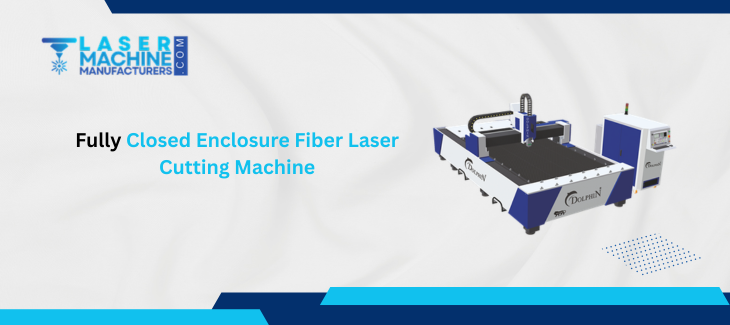
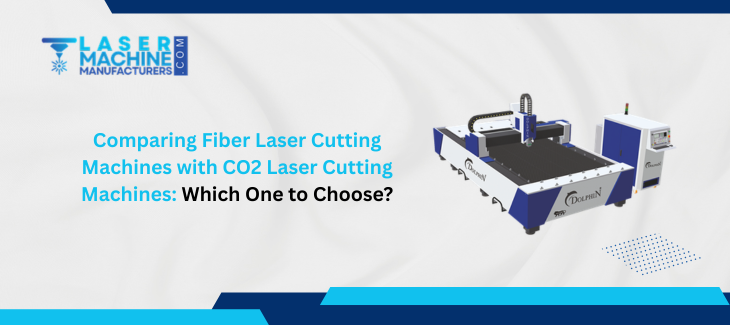
Fiber laser cutting machines cut metal faster and cost less to run than CO2 machines, though CO2 units still hold their own on non-metal materials. The right pick comes down to what you are cutting and how often the machine runs.
This piece breaks down where fiber laser cutting machines pull ahead, where CO2 still makes sense, and how to decide.
What Are Fiber Laser Cutting Machines?
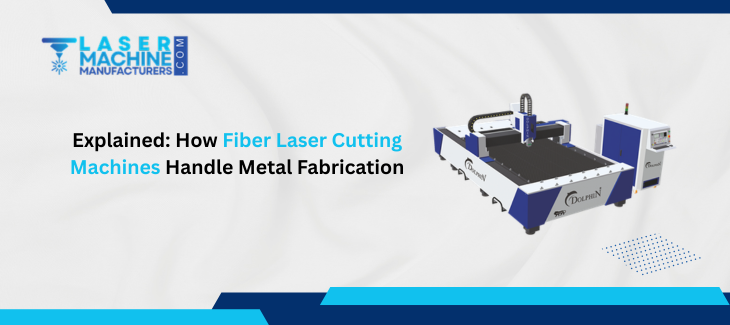
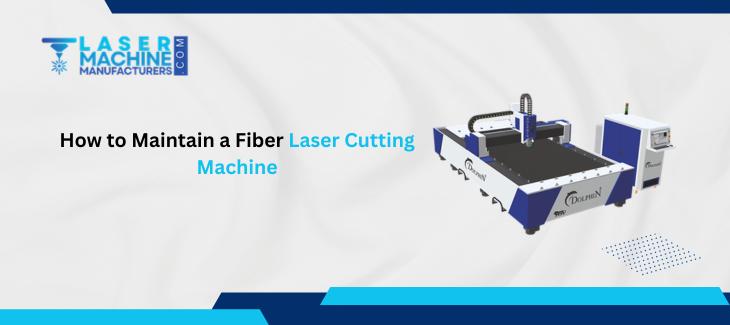
Fiber laser cutting machines generate a laser beam inside a doped fiber optic cable and use it to slice through metal with a tight, focused cut.
The beam travels through the fiber itself rather than through mirrors and gas chambers, keeping the setup compact and low-maintenance. Once it exits, the beam hits the material at a wavelength that metal absorbs extremely well.
That absorption is really the whole story. Metal takes in this wavelength so efficiently that laser cutting machines cut steel, aluminium, and brass noticeably faster than older laser types.
A few basics worth knowing:
- No mirrors or gas tubes in beam delivery
- Runs on standard power without heavy infrastructure
- Delivers a smaller, more concentrated beam spot
- Needs comparatively little floor space
How Do Fiber Laser Cutting Machines Differ From CO2 Laser Cutting Machines?
The core difference sits in how each machine produces its beam. CO2 machines rely on gas excited by electricity, while laser cutting machines generate light directly inside solid fiber optic cable.
That single difference changes everything downstream. Gas-based systems need mirrors to route the beam and regular gas refills. Fiber laser cutting machines skip both requirements entirely.
Wavelength matters too. CO2 beams sit at a wavelength metal reflects rather than absorbs, so cutting thick steel takes longer. Fiber laser cutting machines do not run into this problem.
| Feature | Fiber Laser Cutting Machines | CO2 Laser Machines |
| Cutting Speed On Metal | Very fast | Slower |
| Energy Efficiency | High, around 30 percent | Lower, around 10 percent |
| Maintenance Needs | Minimal | Higher, due to mirrors and gas |
| Best Suited Materials | Metals | Wood, acrylic, fabric |
| Running Cost | Lower over time | Higher over time |
Which Materials Do Fiber Laser Cutting Machines Cut Best?
Metals are where fiber laser cutting machines truly shine, and stainless steel, mild steel, aluminium, brass, and copper all cut cleanly on them.
Non-metal materials are not really their strength, though. Wood, acrylic, leather, and fabric respond better to a CO2 beam.
Common metal jobs handled by these machines include:
- Sheet metal parts for automotive panels
- Structural steel for construction
- Precision brackets for electronics assembly
- Thin aluminium sheets for signage
What Are The Cost Differences Between Fiber Laser Cutting Machines And CO2 Machines?
Upfront pricing runs higher for laser cutting machines, but the total cost story flips once years of operation are factored in.
CO2 machines need gas refills, mirror alignment, and lens replacement on a regular schedule, and those costs pile up on a busy line. Fiber laser cutting machines mostly avoid this cycle.
Electricity use also favours the fiber side, converting a larger share of input power into cutting power, which keeps monthly bills lower.
What Are The Speed And Precision Advantages Of Fiber Laser Cutting Machines?
On metal, fiber laser cutting machines cut significantly faster than CO2 units, sometimes two to three times quicker on thinner sheets.
Precision holds up well too, and the narrow beam spot allows tighter tolerances, useful for parts that need to fit together without extra finishing work.
Speed advantages that stand out:
- Faster piercing time on a new cut
- Higher cutting speed on thin to medium steel
- Less heat spreads into the surrounding material
- Fewer passes are needed for clean edges
Which Industries Prefer Fiber Laser Cutting Machines Over CO2 Machines?
Automotive, sheet metal fabrication, construction hardware, and electronics manufacturing lean heavily toward laser cutting machines for their metalworking.
Sign-making and furniture businesses, by contrast, often stick with CO2 machines since their work leans toward wood and acrylic. Several Indian manufacturing units have shifted to fiber laser cutting machines for steel fabrication, mainly for the speed gain.
How Do You Decide Between Fiber Laser Cutting Machines And CO2 Laser Cutting Machines?
The decision really comes down to one question: is metal most of what you cut, or non-metal material?
If metal dominates your work, fiber laser cutting machines are the clear choice on speed, cost, and long-term maintenance. If your work leans toward wood, acrylic, or fabric, a CO2 machine may serve you better.
Buyers can compare specifications and available models at lasermachinemanufacturers.com before finalising a purchase.
Frequently Asked Questions
1. What is the main difference between fiber and CO2 laser cutting machines?
Fiber machines generate light through solid fiber optics, while CO2 machines use an excited gas mixture and mirrors.
2. Are fiber laser cutting machines more expensive to buy?
Yes, the upfront cost is higher, though the running and maintenance costs stay lower over time.
3. Can fiber laser cutting machines cut wood or acrylic?
Not effectively. These materials respond better to a CO2 laser beam.
4. Which machine cuts metal faster?
Fiber laser cutting machines cut metal noticeably faster, especially on thinner sheets.
5. Do fiber laser cutting machines need less maintenance?
Yes, since no mirrors or gas refills are involved in daily operation.
Follow us on Facebook for expert insights, industry updates, and the latest fiber laser cutting machine solutions.